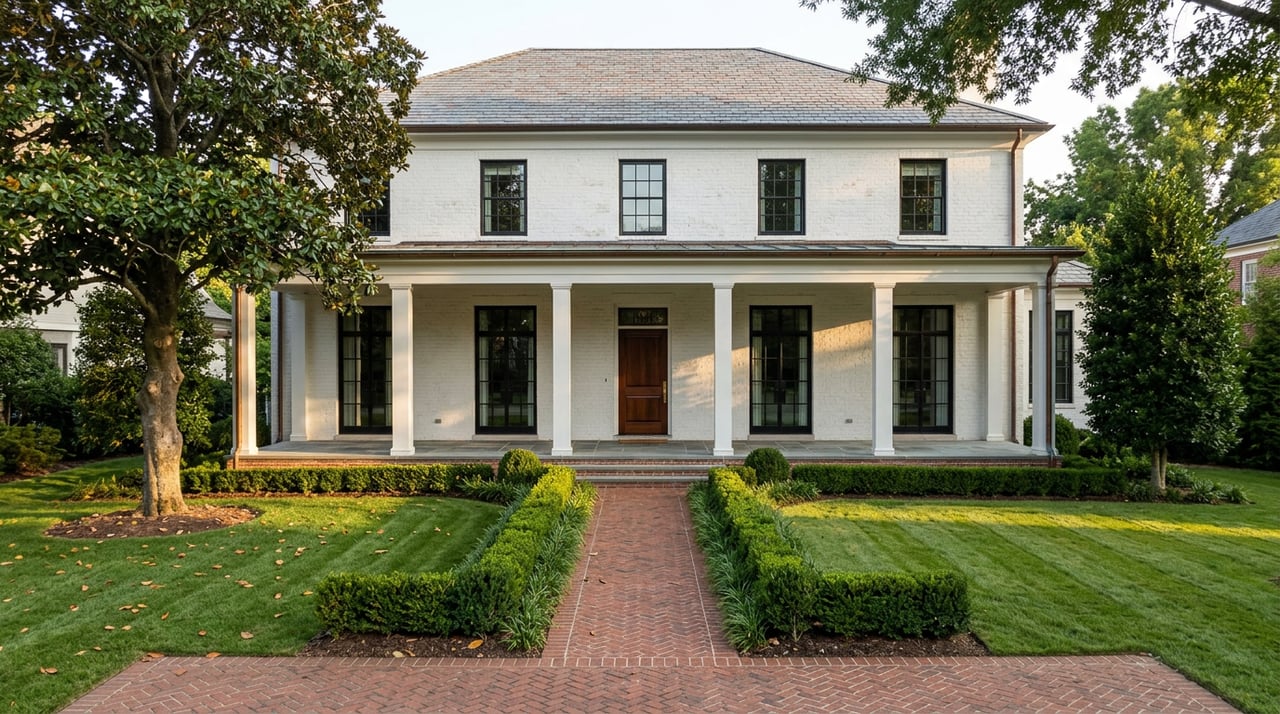
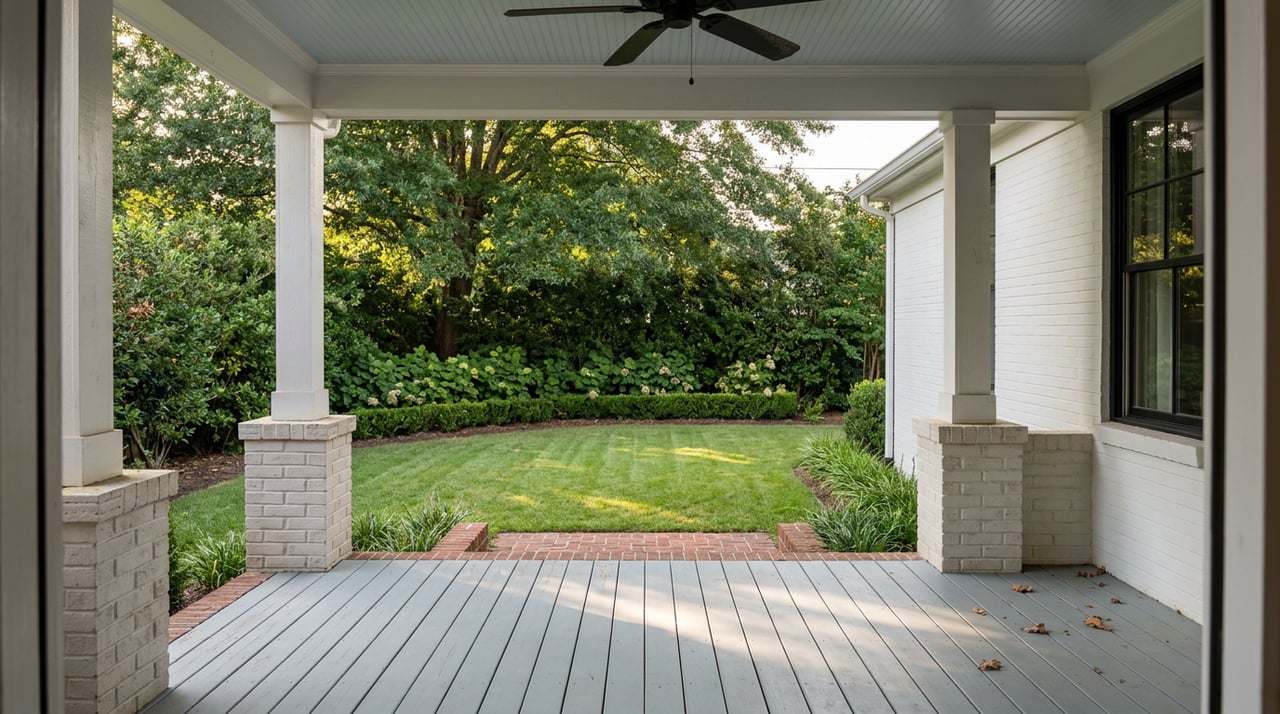
Thinking about a porch swing and pressed-tin ceilings on a shady Athens street? Historic homes here offer character you simply cannot buy new, but they also come with rules, inspections, and budgets that demand a smarter plan. If you love original windows, heart pine floors, and walkable in-town blocks, this checklist will help you buy with confidence. You will learn what to verify before you write an offer, what to inspect during due diligence, and how to plan your renovation the right way. Let’s dive in.
Why Athens historic homes are different
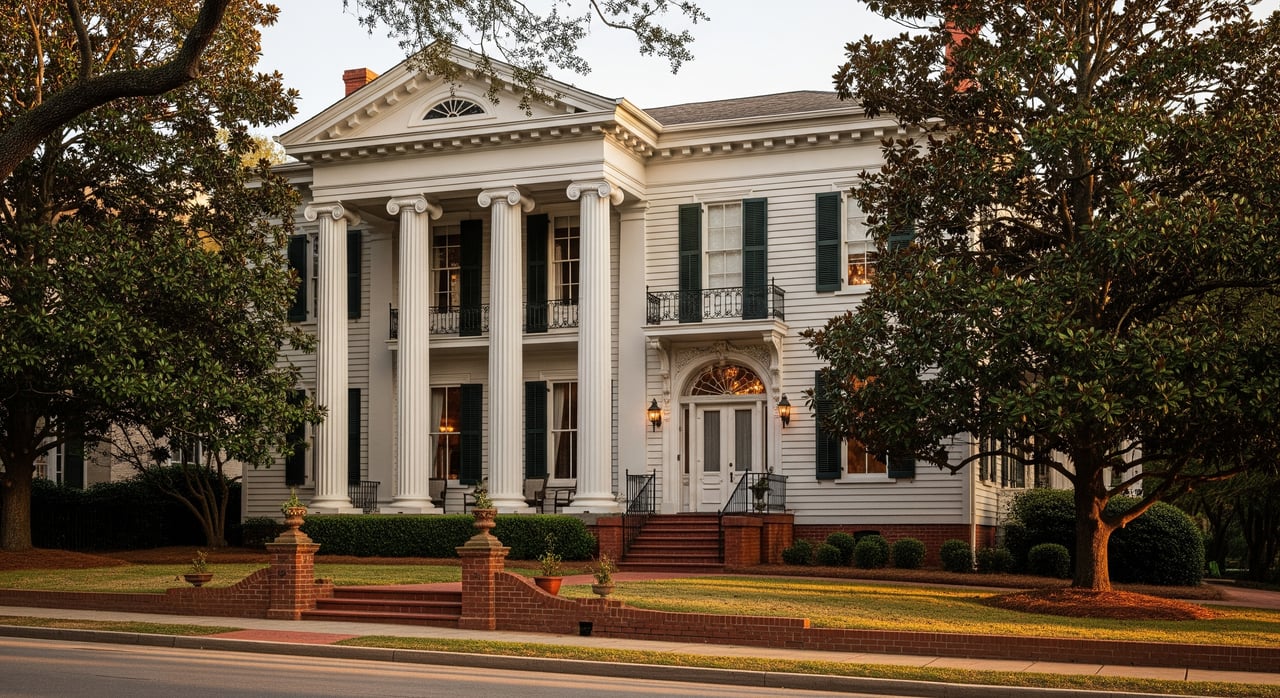
Athens has locally designated historic districts and landmarks where exterior changes often require review by the Historic Preservation Commission. You may need a Certificate of Appropriateness, called a COA, before you alter visible features like siding, windows, porches, or additions. Separate from local rules, some properties are listed on the National Register of Historic Places or carry recorded preservation easements that limit what you can change.
Local climate also matters. Hot, humid summers increase risks of wood rot, mold, and termites, and our mature tree canopy can affect foundations, roofs, and drainage. Expect different timelines too. Preservation-sensitive work can cost more per square foot and may take longer due to design review and permitting.
Pre-offer checklist
Do this homework before you make an offer. It can save time, money, and headaches later.
Confirm historic status and boundaries
- Ask if the home sits in a local historic district, is a designated local landmark, or is on the National Register.
- Verify with Athens-Clarke County planning and the Historic Preservation Commission. Check the deed for any recorded preservation easements or restrictive covenants.
Ask for permit and alteration history
- Request copies of past building permits, COAs, approvals, and contractor invoices. This shows what changed and whether work followed local rules.
Confirm zoning and lot constraints
- Verify zoning, setbacks, allowed uses, lot coverage, and whether the property is in an overlay, floodplain, or other special district. These factors shape what you can add or build.
Review disclosures and consider a consult
- Read seller disclosures for known structural, pest, environmental, or historic fabric issues.
- If you plan renovations, consider a pre-offer consultation with a preservation architect or contractor to estimate scope and likely costs.
Research the micro-market
- Review comparable sales in the same historic district when possible. Buyers often pay a premium for character, but they also weigh higher maintenance expectations.
Investigate utilities and systems
- Confirm the capacity and condition of water, sewer, electrical service, and gas lines. If you see knob-and-tube wiring or outdated panels, expect an upgrade.
Budget with a buffer
- Historic homes can hide surprises. Build in a healthy contingency from the start.
Offer to closing: due diligence to complete
Once your offer is accepted, move quickly to confirm condition, rules, and costs.
Book a historic-savvy home inspection
- General home inspection by someone experienced with older construction.
- Specialized inspections as needed:
- Structural engineer for foundation or masonry movement.
- Roof and attic framing evaluation.
- Termite and pest inspection.
- HVAC, plumbing, and electrical, including obsolete or knob-and-tube wiring.
- Lead-based paint and asbestos testing where original materials likely remain.
- Chimney and flue inspection if applicable.
Confirm review and permitting requirements
- Contact Athens-Clarke County Historic Preservation staff about your planned exterior changes and whether you need a COA. Ask for the district’s design guidelines and expected review timelines.
Check for recorded easements or covenants
- Preservation easements can restrict alterations and may require approvals from the easement holder. Request and read all documents.
Verify floodplain, stormwater, and tree protections
- Confirm any floodplain constraints and understand local tree protection rules. Large trees are assets, but roots, shade, and debris can affect drainage and roofs.
Financing and appraisal
- If you need renovation financing, explore FHA 203(k), Fannie Mae HomeStyle, or other products that roll repairs into your mortgage. Confirm lender experience with historic properties.
- Ask your lender and agent about appraisals using comparable sales within historic districts where possible.
Insurance review
- Obtain quotes early. Older materials, aged roofs, or legacy wiring can influence coverage and premiums. Upgrades may be required to bind a policy.
Closing paperwork
- Confirm transfer of warranties, manuals, and system documentation. Ensure that recent work has final permit signoffs and any required COAs.
Post-closing and renovation
You own a piece of Athens history. Here is how to care for it and update it well.
Follow the local process
- Submit design proposals to the Historic Preservation Commission for exterior work that affects historic features and obtain COAs before you start. Pull building permits for structural, electrical, plumbing, siding, roofing, and major interior changes.
Use accepted preservation standards
- Let the Secretary of the Interior’s Standards guide your choices. Retain character-defining features. Repair rather than replace when feasible.
Hire experienced trades
- Choose contractors who have documented experience with historic rehab. Ask for references and examples of similar projects.
Plan hazard mitigation and code upgrades
- Stabilize lead paint per EPA RRP rules when disturbing painted surfaces. Have suspect materials tested for asbestos. Prioritize electrical upgrades and add modern life-safety measures like smoke detectors.
Balance efficiency with preservation
- Start with low-impact improvements: attic insulation, duct sealing, HVAC right-sizing, weatherstripping, and storm windows or interior storm glazing. Replacing original windows may trigger review.
Budget with contingencies
- Historic projects uncover hidden conditions. A 15 to 30 percent contingency is common depending on scope.
Adopt a maintenance plan
- Schedule regular checks of the roof, gutters, drainage, and foundation. Maintain paint and woodwork, manage vegetation around the structure, and keep an active termite plan.
Financing and incentives snapshot
Red flags and value signs
Knowing what to look for can help you price risk and spot opportunity.
Potential red flags
- Significant foundation settlement or stair-step cracks in brick or masonry.
- Inappropriate hard mortar on soft historic brick, which can accelerate damage.
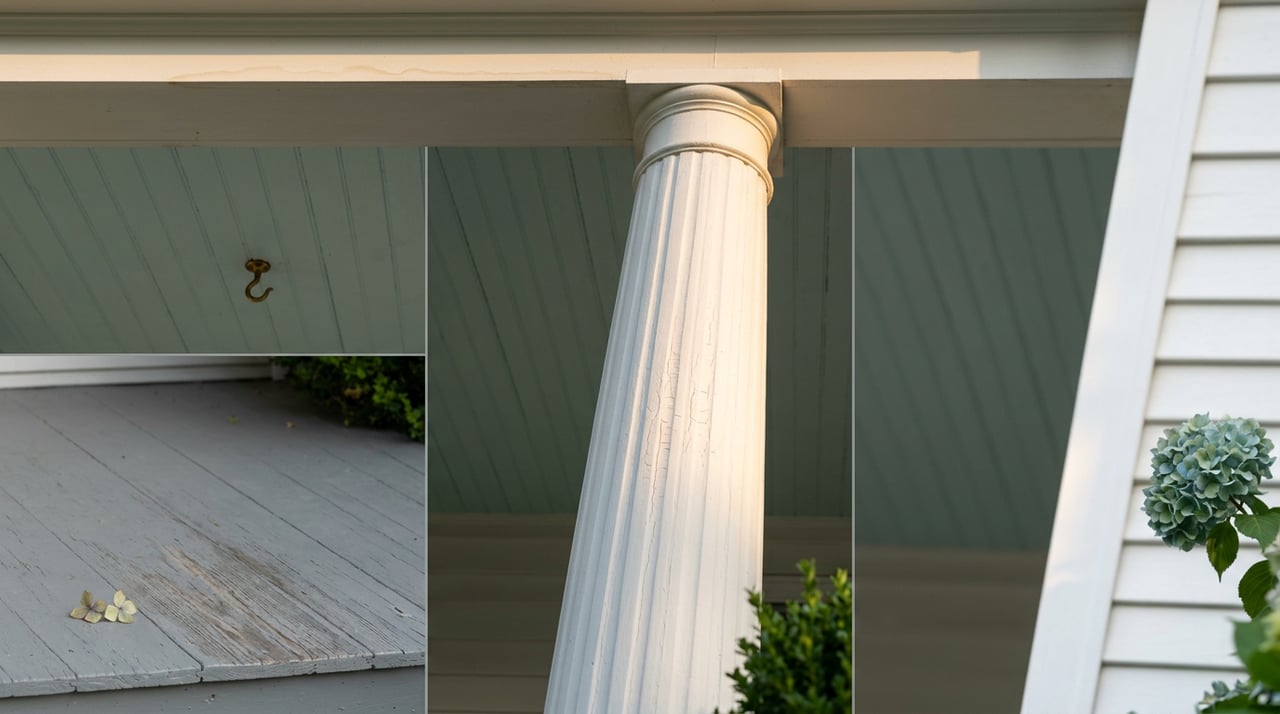
- Evidence of termites, wood rot, or chronic moisture intrusion.
- Knob-and-tube or otherwise obsolete wiring, undersized electrical service, or cloth-sheathed conductors.
- Lead-based paint on friction surfaces and possible asbestos in flooring, siding, or insulation.
- Unpermitted alterations or missing COAs for recent exterior work in a local district.
Value-positive signs
- Intact character features such as original windows, doors, trim, mantels, and floors that can be repaired rather than replaced.
- Roof, gutters, and site drainage in good condition with clean crawlspace ventilation.
- Well-documented maintenance and approved past work with permits and COAs.
Local resources and next steps
Use these authorities and organizations as you verify rules and plan your project:
- Athens-Clarke County Planning Department and Historic Preservation staff for district maps, design guidelines, COA process, and permits.
- Athens-Clarke County property records and the clerk’s office for deeds, easements, and permit history.
- Georgia Department of Natural Resources, Historic Preservation Division for state program guidance and the State Historic Preservation Office.
- National Park Service for the National Register of Historic Places and the Secretary of the Interior’s Standards.
- National Trust for Historic Preservation and Georgia Trust for Historic Preservation for practical preservation guidance.
- Lenders experienced with renovation products like FHA 203(k) and HomeStyle.
- Licensed contractors, preservation architects, and structural engineers with historic project experience.
If you are weighing a historic home in Athens and want a clear, step-by-step plan, we are ready to help you navigate the search, due diligence, and negotiation with confidence. Connect with The Jarrett Martin Group to Start Your Home Search.
FAQs
Can I replace original windows in an Athens historic district?
- Possibly, but exterior changes in local historic districts are often reviewed. Many commissions favor repair or historically appropriate replacements, and storm windows are a common compromise.
Do historic rehab tax credits help owner-occupied Athens homes?
- Federal tax credits primarily apply to income-producing historic properties. Check current Georgia programs and any local incentives before you plan on credits.
How long do COA and permit reviews usually take in Athens?
- Timelines vary by project and the Historic Preservation Commission schedule. Plan for several weeks, and longer for complex designs.
Can I add an addition or garage to a historic home?
- Often yes, but additions must be compatible in scale and placement, and they usually require a COA plus standard building permits. Check zoning and district guidelines early.
What inspections are most important for older Athens homes?
- Beyond a general home inspection, prioritize structure, roof framing, termite and pest, HVAC, plumbing, electrical, and tests for lead paint and asbestos where likely.
How much extra should I budget for a historic renovation?
- Hidden conditions are common. A 15 to 30 percent contingency is a practical starting point, scaled to the project’s complexity.