
How to Sell a Historic Home in In-Town Athens
April 2, 2026
April 2, 2026
Selling a historic in-town Athens home can feel a little like preparing a piece of local history for the market. You want to protect its character, avoid costly missteps, and still position it to attract the right buyer. The good news is that with the right prep, pricing, and marketing plan, you can do all three. Let’s dive in.
Before you list, it helps to confirm exactly how your property is designated. Athens-Clarke County reports 16 local historic districts and 44 local historic landmarks, including in-town areas like Boulevard, Cobbham, Dearing Street, Downtown Athens, Milledge Avenue, Reese Street, and Rocksprings.
That status matters because historic designation can affect what you do before your home hits the market. In Athens, exterior changes in local historic districts and on local landmarks usually require a Certificate of Appropriateness, or COA, before work begins. Routine maintenance like painting or plantings generally does not need a COA, but physical alterations usually do.
If you are thinking about touch-ups, repairs, or exterior upgrades, start with a preservation-minded review of the house. This is the smart way to spot what should be repaired, what should be left alone, and what may need local approval before you spend money.
Athens-Clarke County encourages early design consultation before final applications. That can help you avoid making changes that slow down your listing timeline or create issues during due diligence. If you own a home in Milledge Avenue or Downtown Athens, keep in mind that those areas use district-specific guidance rather than only general standards.
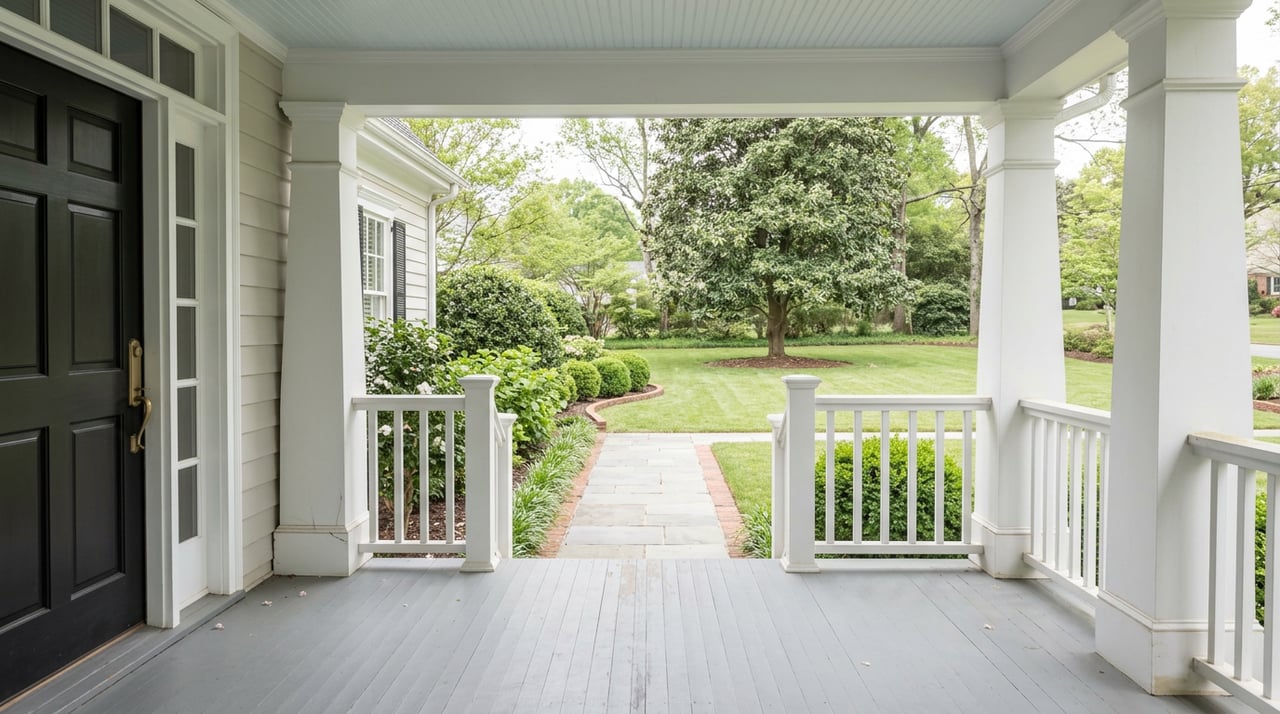
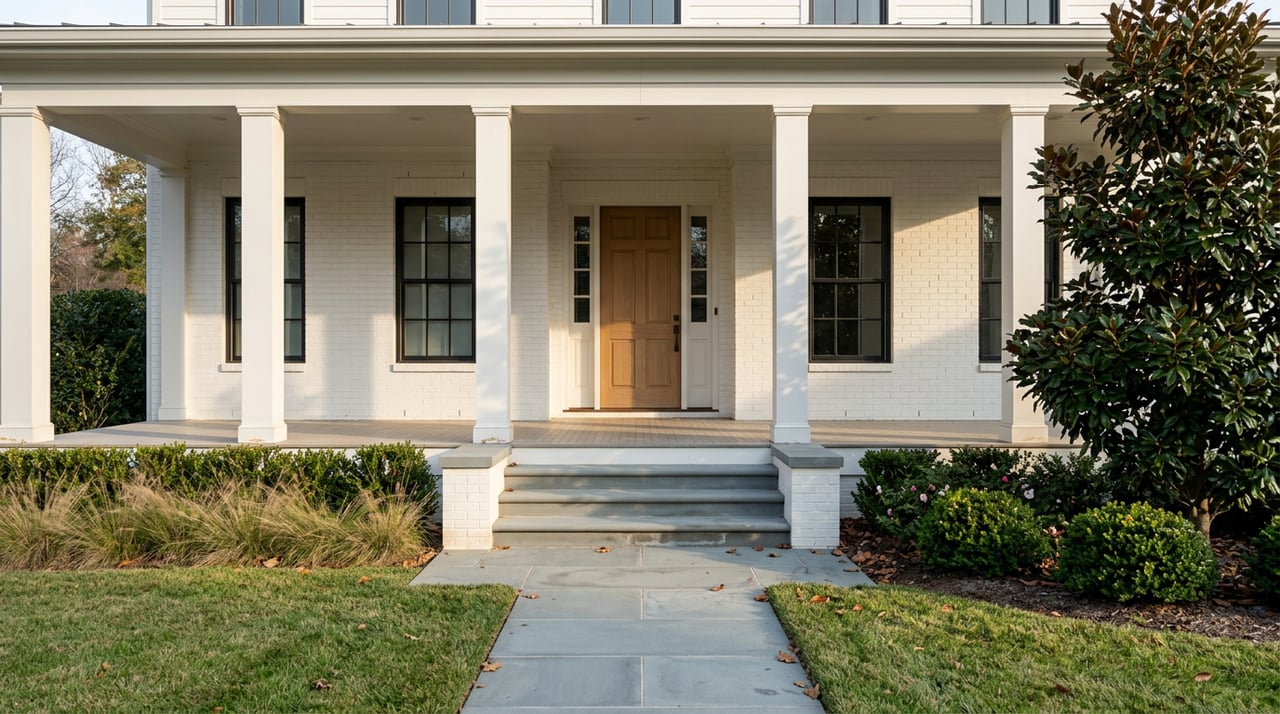
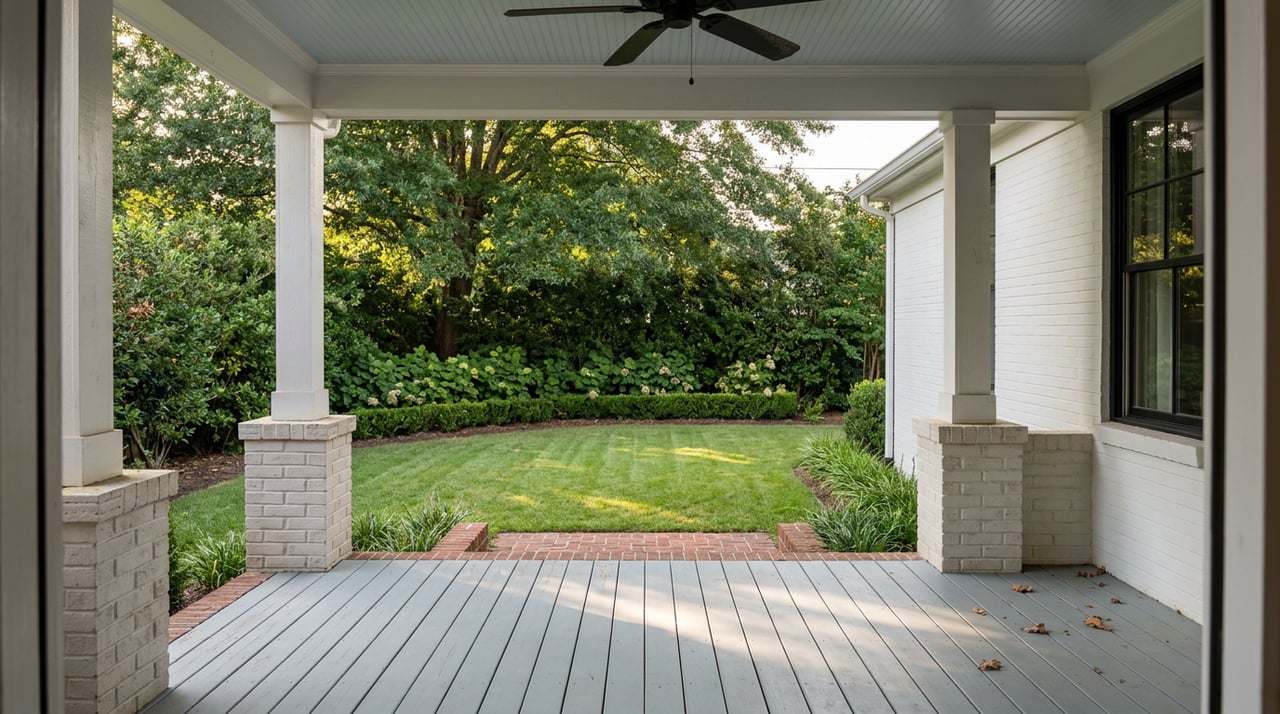
For many in-town Athens homes, the details are the draw. Porches, original windows, trim, doors, masonry, fireplaces, and floor patterns often help buyers connect emotionally to the house.
According to the National Park Service rehabilitation standards, historic character should be retained and preserved, and distinctive features should be repaired rather than replaced when possible. When replacement is necessary, it should match the original design, color, texture, and, where possible, materials.
Not every update adds value, especially in a historic home. Buyers looking for in-town Athens character are often responding to authenticity, not a generic flip finish package.
Local guidance also warns against adding features that make a building appear older than it is. Some later additions, like porches or sunrooms, may have become part of the home’s own history and can still contribute to its appeal. The goal is not to erase age. The goal is to present the house honestly and beautifully.
Historic homes often come with longer ownership timelines, layered repairs, and more questions from buyers. That makes documentation especially important.
Georgia follows caveat emptor in land sales, but sellers and brokers still need to handle known issues carefully. Georgia law and broker obligations make it wise to document repairs, known defects, and unresolved issues rather than assume silence is the safer path. For a historic seller, organized records can build trust and reduce surprises.
If your home was built before 1978, federal lead-based paint rules apply. The EPA requires sellers, landlords, real estate agents, and property managers to provide the EPA pamphlet, disclose known lead-based paint hazards and available reports, include a lead warning statement, and give buyers a 10-day inspection period unless that period is waived in writing.
Lead paint is not automatically a hazard if it is intact. But peeling, chipping, or damaged lead paint can create concerns, so this is an area where clear records and thoughtful preparation matter.
If you have completed exterior work, COA-approved projects, or preservation-sensitive repairs, gather those records before going live. Buyers of historic homes often want more than a standard seller disclosure. They want a clear story of what has been maintained, updated, and preserved.
That paper trail can also help your listing stand out. It shows care, supports pricing, and gives buyers more confidence in an older property.
Historic charm can absolutely add appeal, but it does not replace market discipline. In Athens, pricing still needs to reflect condition, location, buyer demand, and the closest relevant comparables.
As of March 2026, Realtor.com reported a median listing price of $379,983, 614 active listings, and 58 median days on market in Athens. The same report described Athens as a balanced market, and Zillow reported homes going pending in around 50 days. That is a reminder that even special homes need precise pricing and presentation.
A historic house in Five Points should not be priced like a renovated newer home farther out, and a cottage near downtown should not assume a premium just because it is old. Submarkets in Athens vary widely.
Realtor.com’s March 2026 figures showed notable differences by area, including around $331,950 on the Eastside, about $425,000 on the West Side, roughly $716,250 in Downtown Athens, and about $795,000 in Five Points. In other words, your price strategy should be tied to your immediate market, your home’s condition, and how your features compare with similar historic properties.
Square footage and bedroom count matter, but they are rarely the full story with a historic home. Smart marketing helps buyers understand why your house is special and what makes it livable today.
That means your listing should clearly explain the home’s setting, architectural character, and relevant facts. If applicable, it should note whether the property is in a local historic district or landmark, summarize COA-approved work, and accurately describe any potential historic-tax incentive eligibility.
Athens has a distinctive buyer pool. Athens-Clarke County’s demographic snapshot reports a population of 128,711, UGA enrollment of 38,699, a median age of 29.3, and 49.1% of adults holding a bachelor’s degree or higher.
That helps explain why many in-town buyers are drawn to architectural character, proximity to downtown, and walkable urban settings. Your marketing should speak to the home’s actual strengths, such as original millwork, deep porches, window proportions, fireplaces, masonry, or thoughtful updates that preserve the original feel.
Historic homes reward great visuals. Buyers cannot fully understand trim profiles, ceiling height, porch rhythm, or natural light from a quick drive-by.
The National Association of Realtors reported that 83% of buyers’ agents said staging made it easier for buyers to visualize a property as a future home. NAR also found that photos, videos, and virtual tours matter to buyers’ agents, and high-resolution photography is essential for online search. For a historic listing, detail shots are not fluff. They are part of the sales strategy.
The best staging for a historic Athens home does not try to make it look brand new. It helps buyers appreciate scale, function, and original details without distraction.
That usually means simplifying rooms, editing heavy furniture, and making sure sightlines lead the eye toward what makes the house memorable. A fireplace surround, transom window, heart pine floors, or porch connection may do more to sell the home than trendy decor ever could.
Historic buyers are often sensitive to anything that feels forced or artificial. Over-styling can make a character home feel less authentic.
Instead, aim for light, clean, edited spaces that photograph well and let the architecture lead. The house should still feel like itself, just at its best.
Historic incentives can be a real advantage, but only when described with precision. They should never be presented as automatic or universal.
Athens-Clarke County’s historical covenants can freeze assessed value for eight years and then phase in the ninth year for qualifying properties listed in the Georgia or National Register. Georgia’s current historic-home rehabilitation credit generally offers 25% of qualified rehabilitation expenditures, capped at $100,000 in any 120-month period, with an additional 5% in a target area. The federal historic rehabilitation credit is 20% and applies to income-producing properties.
If your home may qualify, this can be a helpful talking point for the right buyer. But it should always be framed as eligibility-dependent, not guaranteed.
Selling a historic in-town Athens home is different from listing a standard suburban resale. You are not just selling bedrooms and baths. You are selling character, context, documentation, and a lifestyle tied to one of Athens’ most distinctive housing types.
That is why the smartest path usually includes early review of any exterior changes, organized disclosure prep, strategic pricing, careful staging, and marketing that treats the home like the one-of-a-kind property it is. If you want a listing plan that respects the house and reaches the right buyers, connect with The Jarrett Martin Group.
Stay up to date on the latest real estate trends.
First-time buyer or seasoned investor, we guide you through every step of the process. Our comprehensive search capabilities ensure we find the property that aligns perfectly with your needs and lifestyle. Whether it's a new construction opportunity or an undiscovered gem, your ideal property awaits. Schedule a consultation to discuss your real estate goals.