Planning Your Move From Five Points to Athens
March 24, 2026
March 24, 2026
Thinking about trading Atlanta’s Five Points for Athens? You are not alone. Many Atlanta professionals and families want more space and a lower cost of living while keeping culture, coffee, and community close by. In this guide, you will compare housing, commute expectations, neighborhoods that match your vibe, and a practical game plan to make the move smooth. Let’s dive in.
Leaving Atlanta’s Five Points means moving from a dense, transit-first core to a smaller, college-town city. In Athens, you will generally find more single-family homes, more yards, and a lower typical purchase price than many intown Atlanta neighborhoods. Downtown and campus-proximate spots in Athens still deliver walkability and nightlife, just on a more compact scale.
If you crave trains at your doorstep and a skyscraper skyline, Five Points in Atlanta shines for that. If you want a porch, a yard, and easy access to concerts and college sports, Athens fits the brief.
Local planning analysis places Athens typical home values in the low to mid $300,000s, with recent figures citing an average value around $332,600 and a median sale price near $320,000. Rents vary by dataset but commonly land around $1,450 to $1,750. These figures come from the Athens‑Clarke County Consolidated Plan, which aggregates multiple sources and local data. See the overview in the county’s planning document for context on values and affordability pressures in Athens. The consolidated plan summary provides useful detail.
Athens also has a higher share of renters than owners compared with statewide averages. The same planning report cites about 42.6 percent owner-occupied housing and 57.4 percent renter-occupied housing. Student demand and investor activity influence this mix and can make well-priced, in-town listings move quickly.
Atlanta’s Five Points is the city’s central rail hub and the heart of downtown. Housing near there tends to be apartments and condos, with less private outdoor space. You trade square footage and yards for immediate access to MARTA and big-city amenities. For a quick primer on how Five Points anchors the city core, see the Five Points overview.
Citywide, Atlanta’s typical home values trend higher than Athens on average, with some intown neighborhoods far above the city mean. Your exact comparison will depend on the block, building, and finish level.
Price bands shift month to month, but here is a practical snapshot of what many buyers target:
Inventory close to campus can be tight. If you are targeting walkable streets near downtown, be prepared to act quickly on a well-priced listing.
If you enjoy being steps from coffee, music, and restaurants, start with Downtown Athens, Five Points in Athens, Milledge Avenue, and Normaltown. These give you the closest “intown” feel. Five Points in Athens blends charming streets with eateries and shops near campus. Get a feel for that scene through the Five Points neighborhood snapshot.
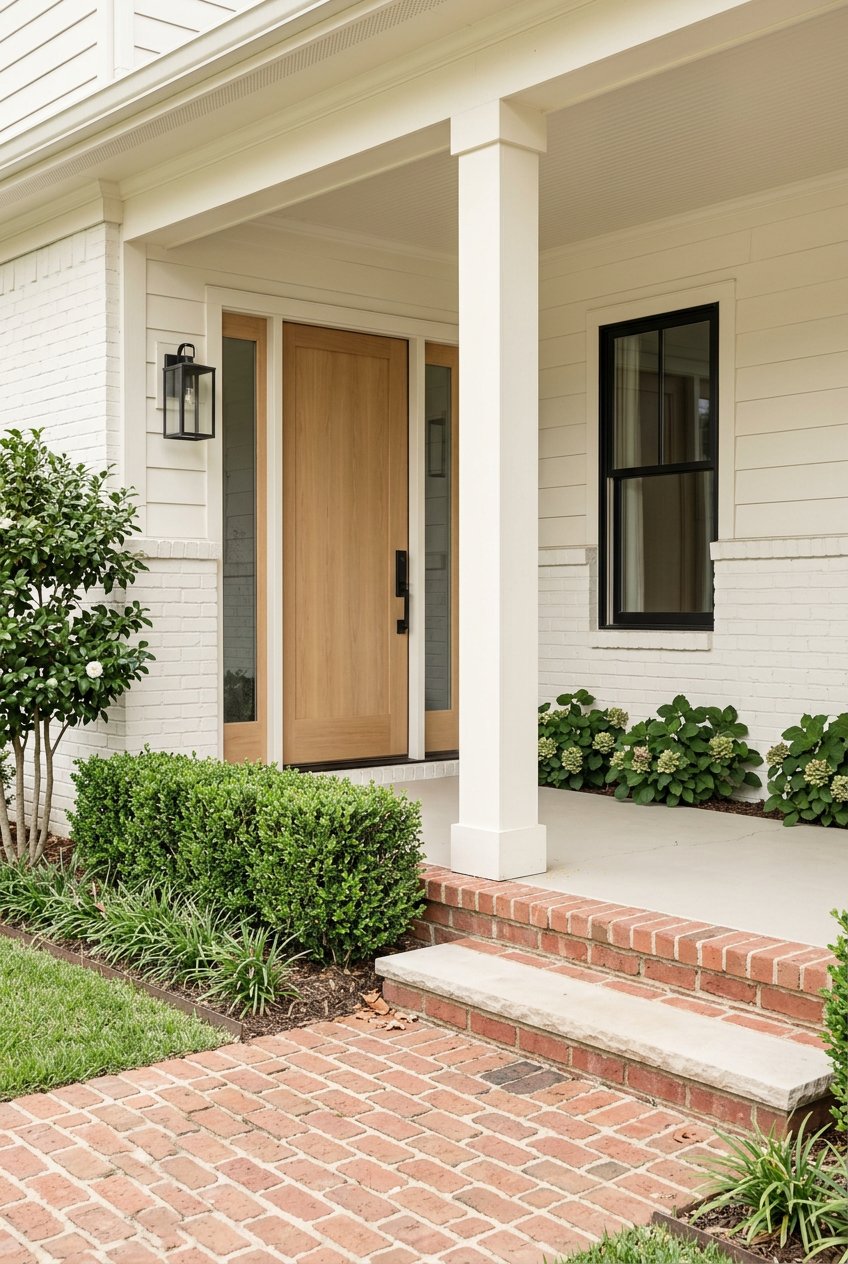
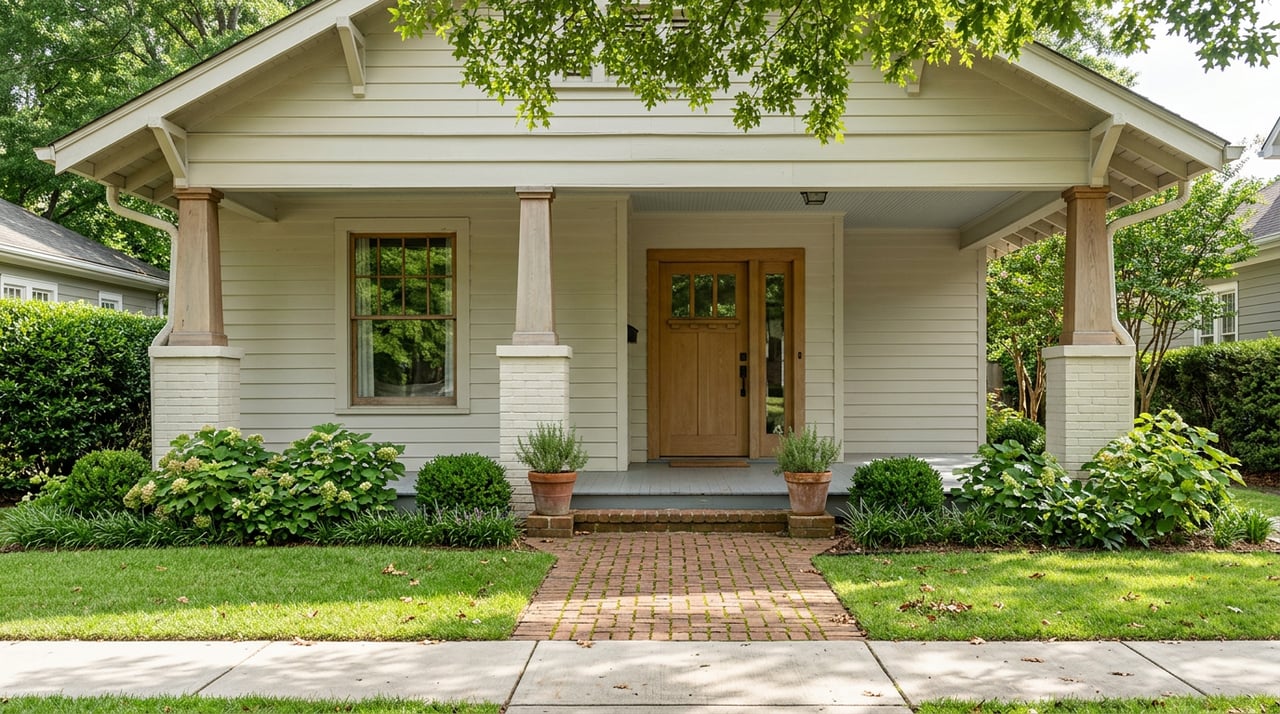
If you want character homes and a bit of yard while staying close to downtown, look at Boulevard, Cobbham, Pulaski Heights, and parts of Normaltown. You will find bungalows, Craftsman cottages, and period homes that balance neighborhood charm with daily convenience.
If you want more square footage, newer construction, and larger lots, cast a wider net to West Athens, Epps Bridge, Jennings Mill, and nearby Oconee County communities such as Watkinsville. Many families who prioritize public school performance metrics evaluate Oconee County. These areas trade a shorter walk for more house, more yard, and neighborhood amenities.
Expect about 72 to 75 miles from Downtown Atlanta to Downtown Athens. Typical drive time is about 1 hour 20 minutes in good conditions, and commonly 1 hour 30 to 45 minutes or more with traffic. Event days and Atlanta rush periods can stretch it further. For a quick orientation on distance and timing, check this Atlanta to Athens overview.
Athens delivers a vibrant college-town culture. You will find a nationally known music scene at venues like the Georgia Theatre and 40 Watt Club, a deep bench of local breweries, and the energy that comes with UGA sports and arts. Outdoors, locals love the State Botanical Garden and neighborhood parks such as Memorial Park and Bear Hollow Zoo. For a friendly overview of the city’s culture and attractions, explore this guide to Athens life.
Compared with downtown Atlanta, Athens is smaller and more personal. You will lose the giant arenas and daily transit frequency, but you gain quick access to local restaurants, creative events, and a strong sense of community.
Clarke County offers a range of public schools along with multiple private options. Many families who prioritize specific performance metrics or particular programs also evaluate Oconee County, which is next door. School zones can change year to year, so confirm any zone directly with the district before you write an offer.
If you are buying near campus, understand the local rental market. According to the Athens‑Clarke County Consolidated Plan, the county’s renter share exceeds the owner share, influenced by student housing and investor purchases. That mix can affect inventory, pricing, and neighborhood dynamics near UGA. You can review the county planning summary for context on ownership, rental trends, and housing pressures in Athens. See the consolidated plan.
Use this step-by-step to move from research to keys-in-hand with less stress.
If you want local, block-by-block guidance on where to land, lean on an agent who lives and works here daily. You will navigate the student rental landscape, find the right street for your routine, and write competitive offers with confidence.
Ready to explore Athens homes that fit your life, not just your budget? Connect with The Jarrett Martin Group to tour neighborhoods, compare options, and start strong.
Stay up to date on the latest real estate trends.

First-time buyer or seasoned investor, we guide you through every step of the process. Our comprehensive search capabilities ensure we find the property that aligns perfectly with your needs and lifestyle. Whether it's a new construction opportunity or an undiscovered gem, your ideal property awaits. Schedule a consultation to discuss your real estate goals.