North Athens Homes on Septic: What Happens When the Sewer Line Finally Shows Up?
October 22, 2026
October 22, 2026
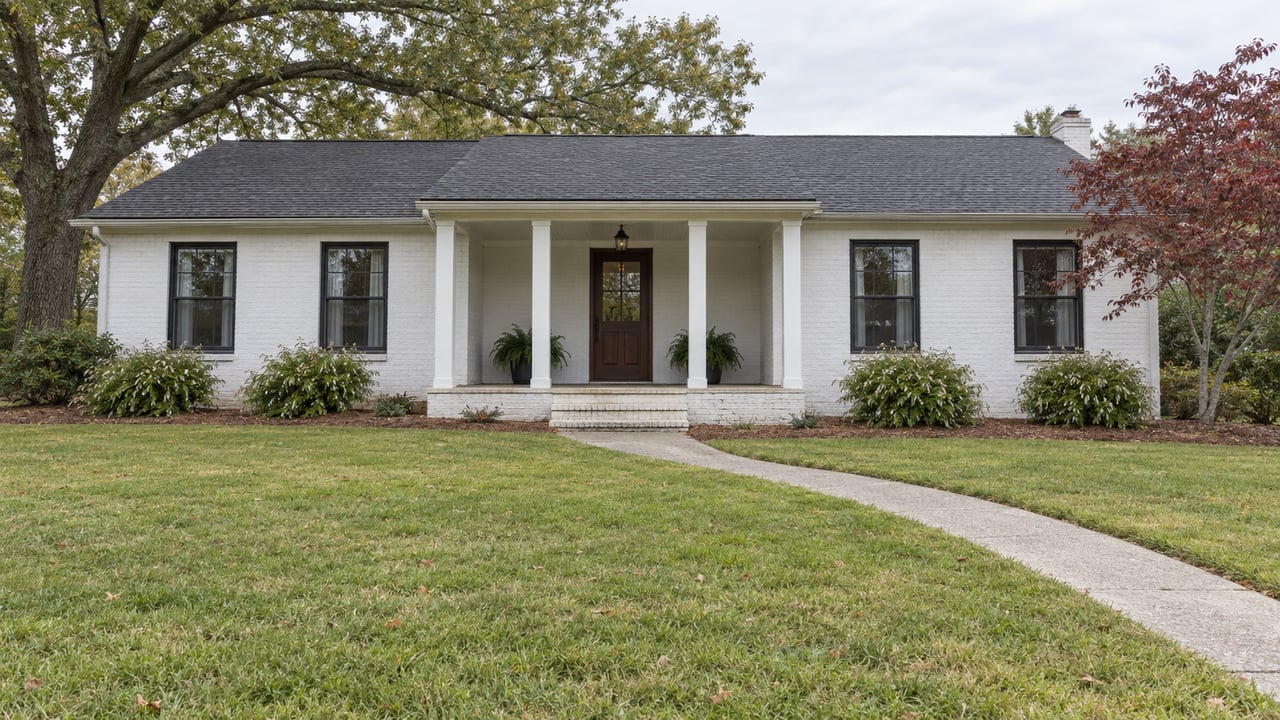
Athens-Clarke County's sewer line ends near the intersection of US-129 and Dr. Martin Luther King Jr. Parkway, according to WUGA. North of that point, in the area planners call the Sandy Creek Basin, homes on Freeman Drive, Boley Drive and the streets around them handle their own wastewater. Many buyers look at an older ranch house up there and assume the septic tank is a stopgap until the county runs a pipe. The rules suggest a different reading. Under Georgia's on-site sewage rule, a sewer line within 200 feet comes with a connection requirement, and a failing system adds the word "immediate." So the tank in the backyard, and how far it sits from the nearest main, deserve the hardest look in the purchase.
At a May 12, 2026 work session, Alan Bowling, a principal at the engineering firm Hazen and Sawyer, told commissioners that the basin covers 5,800 acres and about 1,600 properties on aging septic systems, as Flagpole reported. WUGA's account of the same meeting put the number at more than 1,500 residents. Bowling also said most of those systems sit on lots too small to be allowed if they were built now. "It's almost impossible to get a permit for a septic system on a half-acre lot today," he said, according to Flagpole.
The reason is in the Clarke County Board of Health lot-size ordinance, which took effect July 13, 2018. It sets a 25,500-square-foot minimum for a typical three- or four-bedroom home on public water, and all 25,500 square feet have to be usable soil. The lot also needs at least 100 feet of width where the system goes, plus an unobstructed area equal in size for a replacement system. Easements, poor soils and land within 50 feet of a stream don't count toward the total. A half acre comes to about 21,780 square feet before anything gets subtracted, so it starts out below the minimum.
Those older homes are still legal. Their systems were permitted under earlier rules. The catch is that the backup plan current rules build into every new lot, a second drainfield area kept ready for the day the first one wears out, may not exist on an older parcel.
The county took the Sandy Creek Basin out of its water and sewer service delivery plan in 2010 over environmental concerns, and the May work session was a reconsideration, not a decision. Bowling estimated about $25 million for a trunk line serving the more suburban southern part of the basin, largely because of the cost of crossing the Loop. He said it could run up Sandy Creek or along Danielsville Road. Extending a major line through the whole basin would cost at least $100 million, WUGA reported.
Even a funded trunk line wouldn't reach most driveways. "Having that line there and not being able to connect to it does nothing to help the septic systems," ACC Manager Bob Cowell said, according to Flagpole. "Practically, you have to get closer to those homes." He also predicted the main beneficiaries would be developers looking to connect new projects, not existing homeowners on septic.
The money hasn't moved yet either. The commission adopted the FY27 operating and capital budget on June 9, 2026. The budget document includes a list of anticipated TSPLOST 2023 surplus projects, worth up to $12.621 million, that covers paving, bridges, greenways, bike and pedestrian work, traffic safety and signage, with no sewer project. If you're buying this fall, plan on the septic system you see at the showing being the one you live with.
Here is where the friction hides. At the May session, Flagpole reported, officials said there's no way to force residential owners on septic to pay thousands of dollars to connect to a sewer line. Mayor Kelly Girtz noted that federal grants could help low-income homeowners. Georgia's state rule for on-site sewage, Rule 511-3-1, is written in firmer terms.
| Situation | What Rule 511-3-1-.03 says |
|---|---|
| Sewer within 200 feet of the property line, or in an abutting public right-of-way | Connection "shall be made" to the public system |
| Existing septic system fails and sewer is available | "Immediate connection shall be made" |
| Failing residential system under 2,000 gallons per day | May be exempted if the repair or replacement meets the state manual's criteria and the County Board of Health finds sufficient area and usable soils |
| Any repair, replacement or addition | "Must be permitted and inspected" |
The first row stands on its own. The rule's connection language for sewer within 200 feet or in an abutting right-of-way is separate from its language about failing systems, and the county's comments at the work session and the state's text don't line up neatly. How the two would apply to any particular house is a question for the Health District and an attorney, not a listing sheet.
The failure rows connect back to the lot-size ordinance. The exemption from connecting depends on the Board of Health finding sufficient area and usable soil for a qualifying repair, and area and usable soil are exactly what the ordinance measures. On an older, smaller parcel, the condition of the existing tank carries more weight than any sewer timeline.
This makes the septic system a real line item in the deal, alongside the roof and the HVAC. Before your due diligence period ends, these are the questions with sources behind them:
The same logic applies if you're selling in the basin. A recent evaluation and an organized permit file answer a buyer's biggest question before it slows the deal.
Is the county planning to bring sewer to the Sandy Creek Basin? The commission discussed it at the May 12, 2026 work session and asked for more information about serving only the southern part of the basin. The TSPLOST surplus-project list in the FY27 budget adopted June 9 doesn't include a sewer project. ACC Mayor and Commission agendas are where any next step would show up.
Would I have to connect if a line were built down my street? Rule 511-3-1-.03 calls for connection when public sewer is within 200 feet of the property line or in an abutting right-of-way, and for immediate connection if an existing system fails while sewer is available. It also includes a limited exemption for qualifying repairs to failing systems. At the May work session, county officials said there's no way to force owners on septic to pay to connect, as Flagpole reported. Whether a specific property would have to connect is a question for the Health District and an attorney.
Why are environmental concerns part of the debate? Commissioner Melissa Link said Sandy Creek "is pretty pristine, and it runs right to where our drinking water comes out." Building a main means removing vegetation and digging deep trenches, Flagpole reported.
This post is general information, not legal, tax or financial advice. Confirm how these rules apply to a specific property with the Northeast Health District and a qualified septic professional.
Looking at a house north of the Loop and want to know what's under the lawn before you commit? Jarrett Martin Group will help you build septic questions into your offer timeline and line up the right evaluations, so you know what the tank can handle before closing day. Start Your Home Search with us.
Stay up to date on the latest real estate trends.



First-time buyer or seasoned investor, we guide you through every step of the process. Our comprehensive search capabilities ensure we find the property that aligns perfectly with your needs and lifestyle. Whether it's a new construction opportunity or an undiscovered gem, your ideal property awaits. Schedule a consultation to discuss your real estate goals.